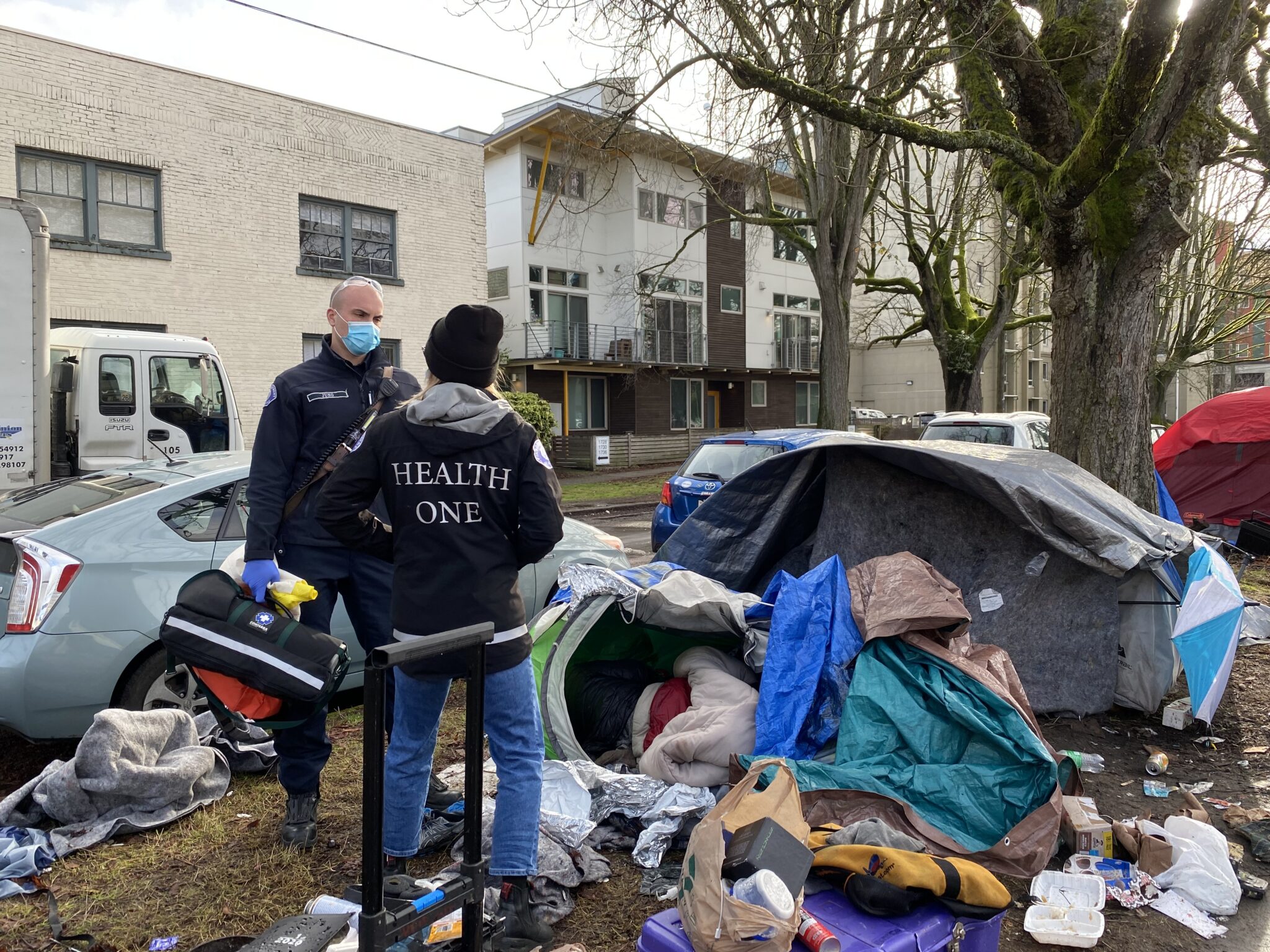
Seattle – April 6, 2026 – The Seattle Fire Department has expanded the number of days that its Health One unit is in service. The alternative response unit now operates seven days a week, from 9 a.m. to 7 p.m. Additional funding approved in the 2026 City budget made the move possible.
“I am proud of the compassionate care and thoughtful support this team provides to people where they are,” said Fire Chief Harold D. Scoggins. “Our Health One team is an incredible resource that is truly making a difference in service to the community.”
Responding to low acuity 911 calls
Health One is part of Seattle Fire’s Mobile Integrated Health program. It began in 2019 as a way to help address the growing number of non-emergent calls to 911.
In 2025, Health One units responded to 2,474 requests for service. That includes responses from the teams who respond to reported overdoses and provide follow up services.
With rising call volumes, Seattle Fire has had to innovate to respond to the increasingly complex range of issues reported by 911 callers.
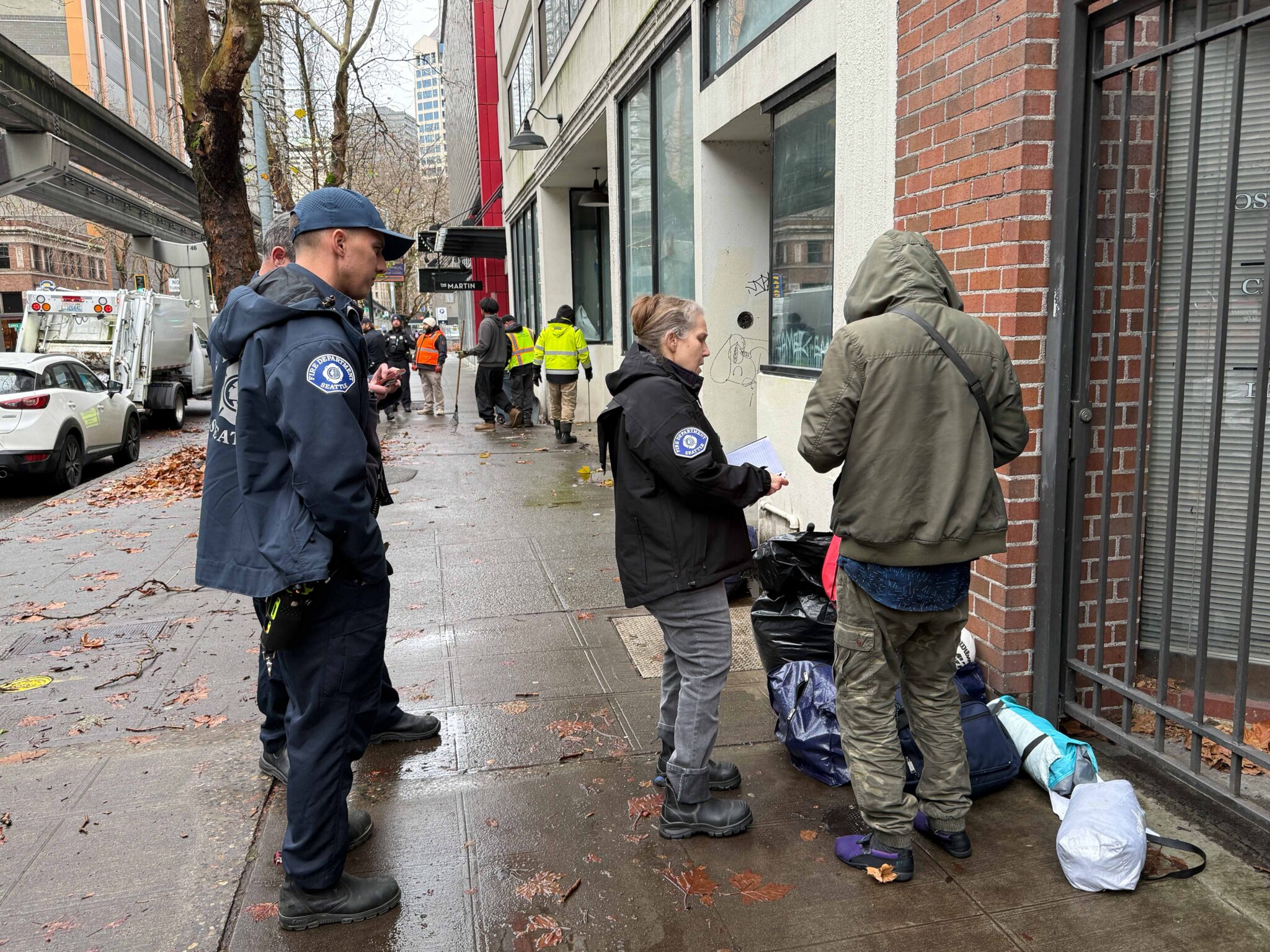
Health One teams consist of specially-trained Seattle firefighters and Human Service Department caseworkers who respond to individuals who may need help with behavioral health, medical care, social services or shelter. The team also includes a Harborview advanced registered nurse practitioner.
Units can be requested by firefighters on scene who recognize the situation needs more specialized services and a longer patient engagement. Health One teams also conduct follow-up visits with individuals referred by firefighters or that they have previously seen to ensure they are connected to appropriate services.
Their combination of case management, problem-solving skills and access to a range of service providers helps connect individuals with better outcomes than a hospital emergency department transport.
Seattle Councilmember Bob Kettle, who is chair of the Public Safety Committee, said, “Health One is such a vital part of alternative response in Seattle, addressing the seam between public safety and public health. Expanding SFD’s Mobile Integrated Health unit makes complete sense, to continue providing care for our most vulnerable populations. I fully support these efforts to help create a safer and healthier Seattle.”
Impact and future plans
In 2025, clients enrolled in the Mobile Integrated Health program saw, on average, a 76 percent decrease in 911 utilization and a 69 percent reduction in hospital emergency department visits.
“SFD Operations units have been requesting weekend service for almost as long as Health One has been around. I am thrilled we can finally expand this team to better serve our clients and our units in the field,” said Jon Ehrenfeld, Seattle Fire’s Mobile Integrated Health program manager.
Seattle Fire hopes to also add more operating hours this year for its Health 99 overdose response team and the Health 98 unit. These teams follow up with patients who have experienced an overdose and aim to assist with opioid use disorder treatment services and other essential needs.