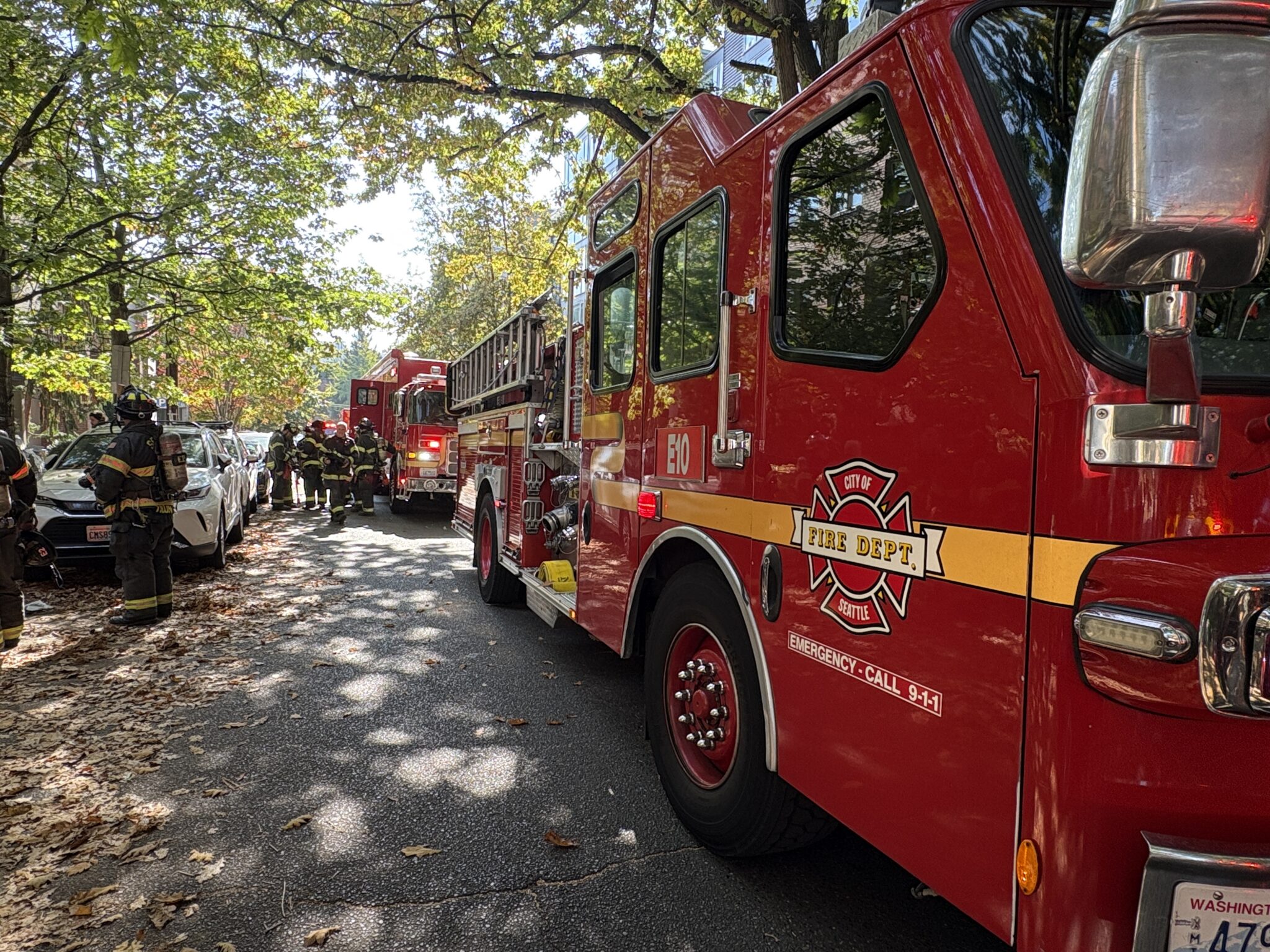
SEATTLE – At 12:25 p.m. on Oct. 7, the Seattle Fire Department’s Fire Alarm Center received a call reporting a carbon monoxide alarm sounding in the 100 block of Warren Ave. N. The alarm was located in a three-story apartment building with a garage. Ladder 4 arrived first on scene and found unsafe levels of carbon monoxide in the hall and in multiple apartment units on the first floor. Even though the incident involved carbon monoxide, the response was upgraded to a major natural gas leak response to bring in additional crews to assist with evacuating the building.
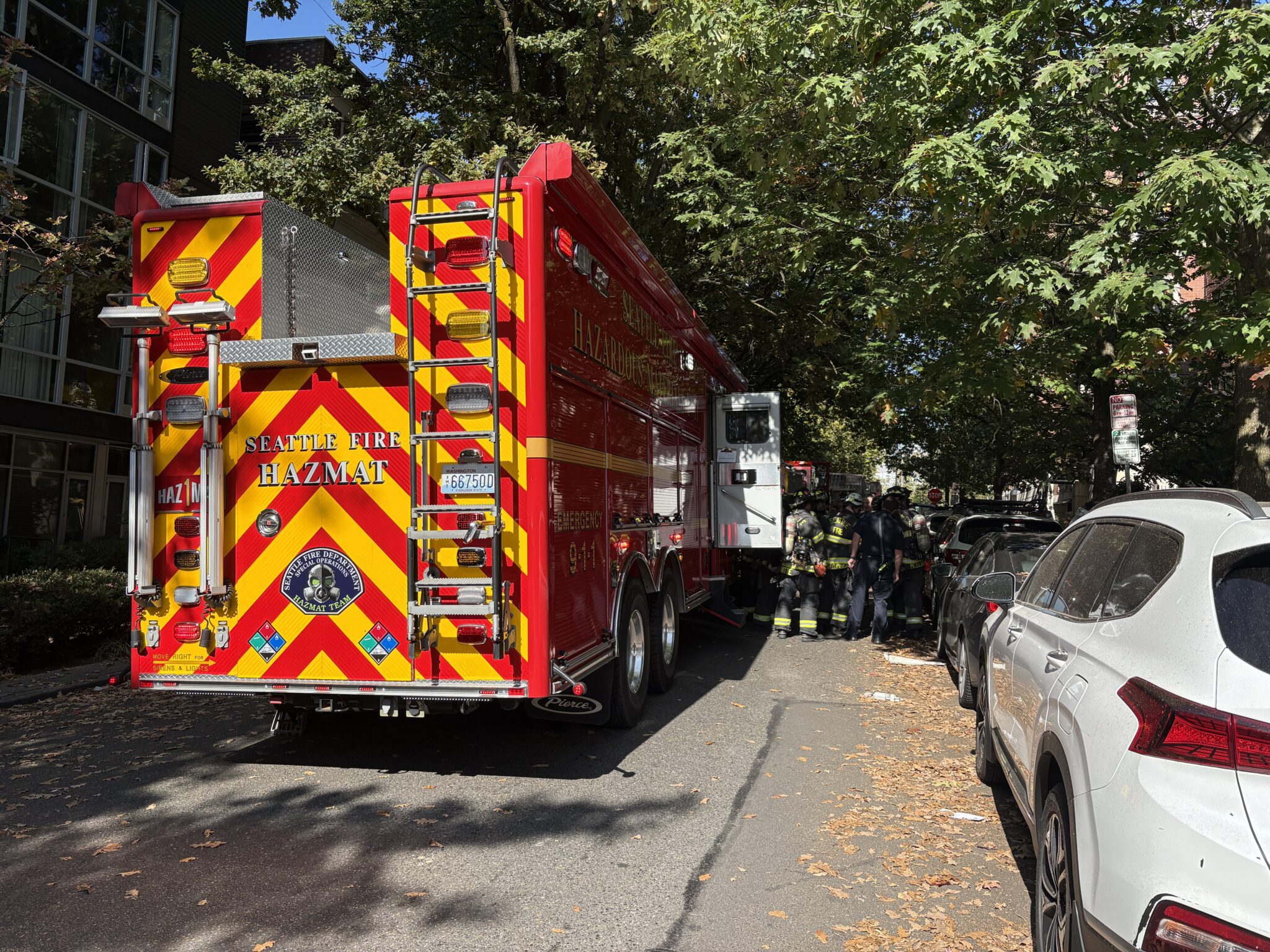
All 36 apartment units were safely evacuated. Firefighters searched and cleared the building to ensure no one was still inside. At the height of the incident, the Hazmat Team detected a carbon monoxide level of 180 parts per million on the first floor of the building.
The source was determined to be a gas-powered pressure washer that was in use inside the enclosed garage. Without proper ventilation, carbon monoxide had spread throughout the building.
Firefighters set up ventilation systems to clear the carbon monoxide. At approximately 1:45 p.m., incident command determined the building was safe to reoccupy.
No injuries were reported.
Carbon monoxide safety:
Carbon monoxide is a dangerous, odorless, poisonous gas. Heating and cooking devices that burn fuel can be sources of the gas.
Carbon monoxide can cause severe illness and death. Initial symptoms of low to moderate poisoning include headache, fatigue, shortness of breath, nausea and dizziness. High level poisoning results in progressively more severe symptoms including mental confusion, vomiting, loss of muscular coordination, loss of consciousness and death.
Carbon monoxide detectors are crucial for home safety. They should be placed outside bedrooms and on every level of your home.
Prevention Tips:
- Only use a charcoal grill, hibachi, lantern or portable camping stove outdoors
- Never use the oven to heat your home
- Ensure chimneys and flues are in good condition and not blocked
- Always run a car, generator and any gas-powered motors outdoors